 Richard Windmann, Ph.D.
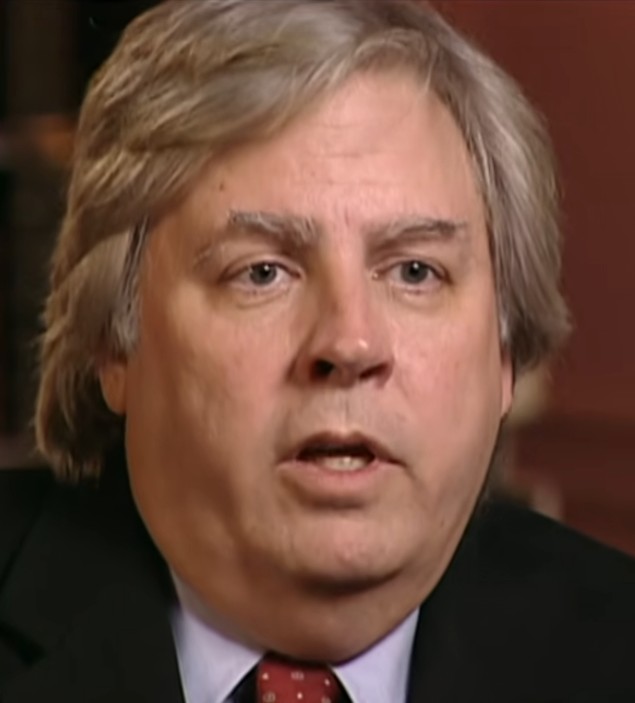 Ray Mouton
Ray Mouton, a prominent advocate in exposing the Catholic Church's clergy abuse crisis died Thursday morning.
There are lives that pass through the world like a quiet lantern, not seeking applause, only lighting the way. Ray Mouton was that kind of man, a Louisiana attorney whose work became a turning point in the long, painful march toward truth for childhood sex abuse victims and survivors.
He began in the crucible of contradiction, hired in the 1980s in Lafayette to defend Gilbert Gauthe, and in that work he saw what was hidden in plain sight, the machinery of concealment, the institutional instinct to protect reputation over children. That realization changed his life, and then, because he had the rare courage to follow what he learned, it helped change the country’s.
Ray did not stop at outrage. He acted. Alongside Thomas Doyle and Michael Peterson, he helped produce a blunt internal warning in 1985 that laid out the moral and legal catastrophe the Church was courting, and pleaded, in essence, for leaders to do what should have been done from the beginning: put children first. The warning was not heeded the way it should have been, but the truth had been spoken, and once spoken, it does not return to silence.
In time, his fierce clarity and his willingness to tell the truth supported journalists and investigators who brought the crisis into the daylight, including Jason Berry and the work that culminated in Lead Us Not Into Temptation, part of the foundation beneath later, wider public reckonings.
Yet what made Ray unforgettable was not only what he did, but how he did it. People close to him described a man who did not hunger for credit, who could be mercurial and vivid, but who stayed faithful to the central vow; survivors mattered more than anybody’s image.
And then, in a gesture that feels almost like the final movement of a long composition, Ray turned his hard-earned knowledge into art. Living for years in St-Jean-Pied-de-Port, he wrote In God’s House, a novel drawn from the world he had walked through, where the corridors are dark, the stakes are human, and the cost of silence is measured in lives.
If romance is the courage to love what is right more than what is safe, then Ray’s life was romantic in the truest sense. He loved the idea of justice enough to risk comfort. He loved the vulnerable enough to unsettle the powerful. He loved truth enough to keep returning to it, even when the world tried to look away.
May we remember him not as a footnote, never inconspicuous, never small, but as a man who helped pry open a locked door so that others could finally breathe and speak and be heard.
Reposez en paix, Ray. Your work remains, like a lighthouse after the storm, not for its own glory, but so that others may find the shore.
Do you like this page?